Reviewing 100 Days Graphics for Crafts & Branding
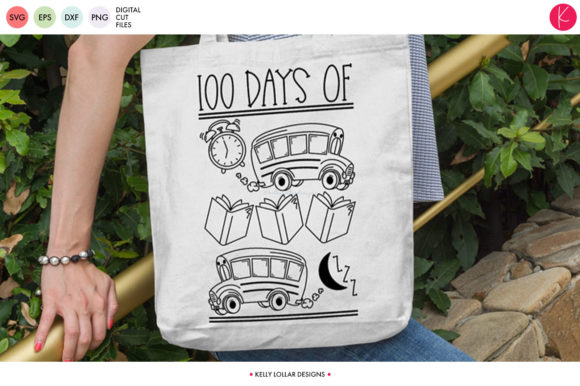
As a brand designer who spends most of my week refining logos and packaging for local boutiques and handmade businesses, I approach every new graphic design asset with a critical eye. It is not enough for an illustration to be cute; it must serve a strategic purpose in small business branding. Recently, I evaluated the 100 Days of Daily School Routine collection to see how it could translate from a classroom concept into a viable tool for local business marketing and product presentation. My goal was to determine if this set of Graphics and Crafts elements could elevate a brand identity or if it remained strictly educational.
First Impressions: A Playful yet Structured Mood
Upon opening the files, the immediate mood created by the 100 Days of Daily School Routine is one of organized playfulness. The doodle style suggests a brand personality that is friendly, approachable, and deeply human. It does not scream "corporate luxury," but rather exudes the warmth of a handmade business or a community-focused shop. For a local bakery launching a "Back to School" treat box or a children's clothing boutique creating seasonal lookbooks, this aesthetic fits perfectly. The line work feels organic and slightly imperfect, which aligns well with current trends in modern design where authenticity trumps polished perfection. It suggests a brand that values routine, growth, and daily joy—themes that resonate strongly with parents and educators alike.
Strategic Applications for Local Commerce
The true value of any design asset lies in its versatility. While the 100 Days of Daily School Routine is rooted in education, its application in commercial design is surprisingly broad. I envision several practical uses for product sellers and marketers:
- Packaging Design: These illustrations work beautifully as accents on product boxes. Imagine a stationery brand using the "wake up" or "learn" icons on the side panels of a pencil case box to tell a story of daily use.
- Product Labels: For a homemade jam or cookie business, these doodles can frame the ingredient list or highlight a "100% Natural" claim, adding a touch of whimsy to the product label.
- Social Media Graphics: The sequential nature of the routine (wake up, school, home, sleep) provides excellent content for Instagram Stories or TikTok overlays, guiding followers through a "day in the life" of a product.
- Printable Inserts: Including a small card with these graphics in a customer's order adds a delightful unboxing experience, reinforcing brand loyalty.
- Promotional Visuals: Flyers and posters for local tutoring centers or after-school programs can utilize these elements to create an inviting atmosphere without looking cluttered.
Elevating Brand Presentation and Trust
In the crowded marketplace of Crafts and handmade goods, standing out is essential. Integrating the 100 Days of Daily School Routine into your visual strategy can lead to a stronger first impression. When customers see consistent, high-quality imagery across your packaging design and marketing visuals, it signals professionalism. This consistency builds brand identity and fosters customer trust. A well-placed graphic can improve visual hierarchy, drawing the eye to key information like price points or unique selling propositions. Furthermore, the emotional connection established by these relatable, routine-based images can make a brand feel more like a neighbor and less like a faceless entity, ultimately improving shelf appeal and conversion rates.
Ideal Use Cases for Maximum Impact
To get the most out of this digital product, it should be deployed where its playful nature shines. It works best as a hero graphic on seasonal packaging, such as a special edition release for the 100th day of school. It is also ideal for decorative brand elements on hang tags or thank-you cards included in shipments. For boutique visuals, using these icons as bullet points in a price list or menu can break up text and add character. In the realm of web design, these assets can serve as engaging section dividers or background patterns for a landing page dedicated to educational products. The key is to let the graphics support the narrative of daily life and learning, making them perfect for social media campaign graphics that aim to engage a family-oriented audience.
Where Caution is Required
However, a seasoned designer knows that not every asset fits every context. The 100 Days of Daily School Routine should be used carefully in formal corporate branding where a sleek, minimalist aesthetic is required. It may overwhelm very small labels where legibility is paramount, such as on essential oil bottles or spice jars with dense legal text. Avoid using these decorations in ingredient-heavy layouts or areas requiring high contrast for accessibility. If you are building a luxury minimalist brand, the doodle style might compete with the sophisticated typography and negative space you are trying to achieve. Always ensure the decoration does not distract from critical information like safety warnings or contact details.
Practical Notes for the Professional Designer
Before integrating these Graphics into a client project, there are several technical steps I recommend. First, test the asset on real product mockup files to see how the line weight translates at different sizes. Check the black and white usage to ensure the design holds up without color, which is crucial for cost-effective printing. Preview the graphics on small labels to confirm they do not become muddy when scaled down. Experiment with pairing the illustrations against various typefaces; they often pair wonderfully with handwritten fonts for a cohesive look, but can also provide a nice contrast to clean sans serif fonts.
Additionally, inspect the file formats. If you are working with SVG files, verify the editability of the paths to customize colors to match your specific brand palette. For PNGs, check the transparency to ensure no unwanted halos appear on colored backgrounds. Finally, and most importantly, review the commercial license terms. Ensure you have the rights to use the asset for physical product sales and client work, especially if you are a creative entrepreneur selling finished goods. By treating this clipart and illustration set with the same rigor as a custom logo, you can unlock its full potential for creating memorable, effective professional branding that resonates with your local community.