Teacher 9: A Designer's Take on Real-World Embroidery Use
When I first pulled up the Teacher 9 file on my screen, I wasn't looking at it as just another digital asset to collect. As someone who spends hours hooping fabric, threading needles, and managing client expectations, my immediate reaction was to visualize the finished product. Does this design hold up under the needle? Will it look professional on a sweatshirt, or will it get lost on a textured tote bag? Teacher 9 sits in that interesting intersection of Crafts and Graphics, offering a versatile visual that needs to be evaluated not just for its aesthetic appeal, but for its practical performance in a real embroidery project.
First Impressions and Visual Personality
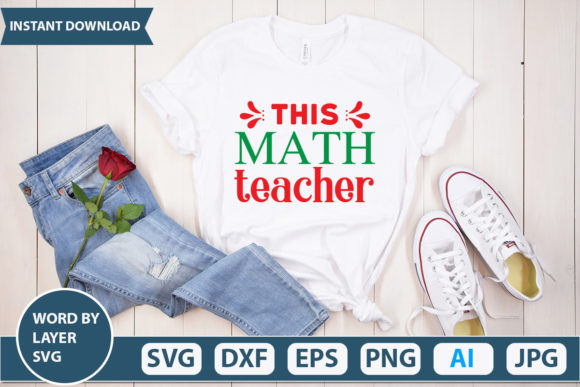
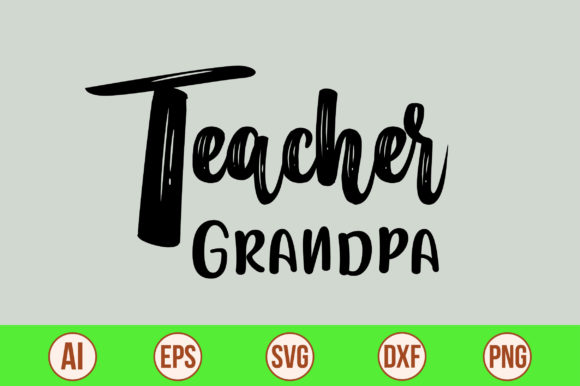
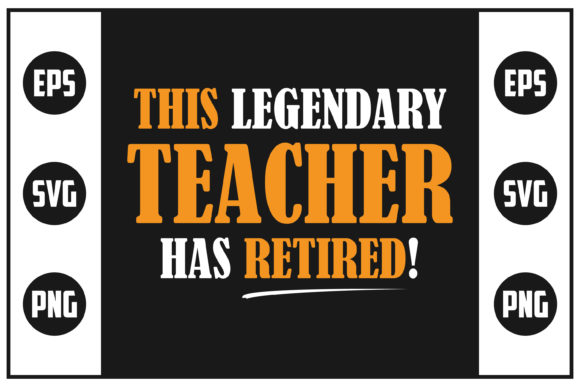
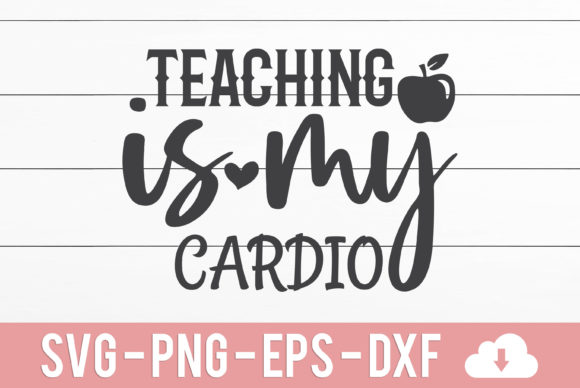
The initial mood of Teacher 9 feels warm and inviting, which is exactly what you want for education-themed items. The layout appears balanced, with a shape that suggests it could work well as a central chest logo on apparel or a focal point on home decor. From a designer's perspective, the line weight and detail level seem appropriate for a variety of scales, though I always advise caution before assuming a design will translate perfectly from a PNG preview to a stitched reality. The visual personality here leans towards the classic and appreciative, making it a strong candidate for personalized gifts or boutique merchandise where emotional connection drives the sale.
However, seeing the SVG and EPS files in your vector software is only half the battle. The true test of any machine embroidery design is how those vectors translate into stitch types. While the provided package includes an SVG, PNG, EPS, and DXF, remember that these are primarily cut files or graphic assets. If you are digitizing this yourself for embroidery, the clean lines of Teacher 9 offer a great foundation for creating smooth satin stitch borders or clean fill stitch areas. If you are using a pre-digitized version not explicitly mentioned in the file list, you must verify the stitch density and underlay settings before committing to a final run.
Real-Life Application: The Custom Tote Scenario
Let's walk through a realistic scenario. Imagine a local school PTA approaches you to create a batch of canvas tote bags for teacher appreciation week. You decide to use Teacher 9 for the main graphic. Canvas is a sturdy fabric, but it has a distinct weave texture. In this context, the design's clarity becomes paramount. If the details in Teacher 9 are too fine, they might get swallowed by the fabric texture, resulting in a muddy look rather than a crisp handmade product.
For a project like this, I would recommend testing the design on a scrap piece of the exact same canvas first. Pay close attention to how the thread colors contrast against the bag color. A dark thread on a light bag usually pops well, but if Teacher 9 relies on subtle shading, you might need to adjust your thread palette to ensure visibility. This design fits naturally into the tote bag design category because its proportions likely suit the rectangular or square workspace of a standard hoop without requiring excessive re-hooping or complex positioning.
Versatility Across Apparel and Decor
Beyond totes, Teacher 9 has strong potential for custom apparel. Picture it embroidered on the left chest of a navy blue polo or centered on the back of a cozy fleece sweatshirt. For sweatshirt embroidery, the loft of the fabric can sometimes distort small details. Here, the simplicity often found in effective graphic designs works in your favor. If Teacher 9 avoids overly intricate tiny lettering or microscopic elements, it will maintain its integrity even on thicker fabrics.
I also see this working beautifully for baby embroidery projects, such as a bib or a onesie, provided the scale is reduced appropriately. Parents love personalized items, and a design that conveys warmth and education resonates deeply in the nursery market. Similarly, for holiday embroidery or end-of-year gifts, this graphic could be appliquéd onto a pillow cover or a kitchen towel. The key is matching the stitch type to the item's function. A high-density fill stitch might be too stiff for a soft baby blanket, whereas a lighter running stitch or a sparse fill could keep the fabric drapable and comfortable.
Navigating Technical Challenges
No design is without its challenges, and honest evaluation requires us to look at where Teacher 9 might demand extra care. If you plan to place this on a curved surface like a cap, the distortion factor increases. Designs with long horizontal lines or symmetrical balance can sometimes look warped when stitched over the curve of a hat brim. In such cases, you might need to adjust the pull compensation in your digitizing software or choose a different placement entirely.
Another critical area is stitch density. If the original graphic is dense, translating it directly to embroidery without thinning out the fill areas can lead to bird nesting, thread breaks, or a puckered finished product. Always check if the design allows for breathability in the stitching. Furthermore, if you are working with stretchy fabrics like jersey knits, the stability of the design is crucial. Using the correct stabilizer—perhaps a cut-away for long-term durability on garments that will be washed frequently—is non-negotiable to prevent the design from warping over time.
Small details and tiny corners in Teacher 9 should also be scrutinized. In embroidery, sharp internal corners can be difficult to stitch cleanly without manual trimming or specialized jump stitches. If the design features very fine text, ensure it remains legible at the size you intend to stitch. What looks clear on a high-resolution printable mockup might turn into an unreadable blob when rendered in thread.
Business Value and Brand Consistency
For Etsy sellers and owners of a small shop product line, consistency is key to building trust. Using a high-quality, well-thought-out design like Teacher 9 contributes to a professional brand image. When customers receive an item where the embroidery is crisp, centered, and free of errors, it reinforces their perception of quality. This design can serve as a reliable design asset in your portfolio, allowing you to quickly prototype new ideas for commercial embroidery clients.
Moreover, the versatility of the file formats provided—SVG, PNG, EPS, and DXF—means you aren't limited to just stitching. You can use these files for digital product previews, creating marketing materials, or even sublimation projects if your business model expands. However, always confirm the licensing terms associated with the DIGITAL DOWNLOAD. Just because you have the files doesn't automatically grant unlimited commercial rights for every possible use case. Clarify whether you can sell the stitched item, the digital file itself, or both.
Final Verdict and Designer Notes
In conclusion, Teacher 9 presents itself as a solid contender for a wide range of creative projects, from embroidered patches to large-scale wall hangings. Its strength lies in its adaptable theme and likely clean geometry, which translates well into thread. However, success depends entirely on your preparation.
- Test First: Never skip the step of stitching a sample on scrap fabric identical to your final material.
- Check Contrast: Ensure your chosen thread colors stand out against the fabric background.
- Review Density: Verify that the stitch count isn't too high for delicate fabrics.
- Hoop Size: Confirm the design fits within your available hoop size without needing complex multi-hoop setups unless you are equipped for it.
- Light and Dark: Mock up the design on both light and dark backgrounds to ensure versatility.
- Licensing: Double-check the usage rights before selling finished items or digital derivatives.
By approaching Teacher 9 with a critical eye and a practical mindset, you can transform a simple digital download into a standout piece of craftsmanship that delights customers and elevates your brand.